Women Artists excluded from History, 2. Lee Krasner
Lee Krasner, A Pioneering Artist Often Silenced by a Patriarchal System
From early promise to neglect by the “big boys”
Lee Krasner trained formally in New York and engaged deeply with modern art traditions. She was active well before meeting her husband, but as she became more involved in the circle of emerging Abstract Expressionists, she encountered a male-dominated culture that frequently sidelined her work. As she herself observed, many male artists influenced by European-imported sexist attitudes treated women in the scene as decorative appendages rather than serious creators.
The patriarchal climate was pervasive. Krasner said that among her male peers she was often ignored. “The other big boys just didn’t treat me at all,” she recalled. Despite her evident talent and commitment, her voice and contributions were consistently downplayed by the gatekeepers of the art world.
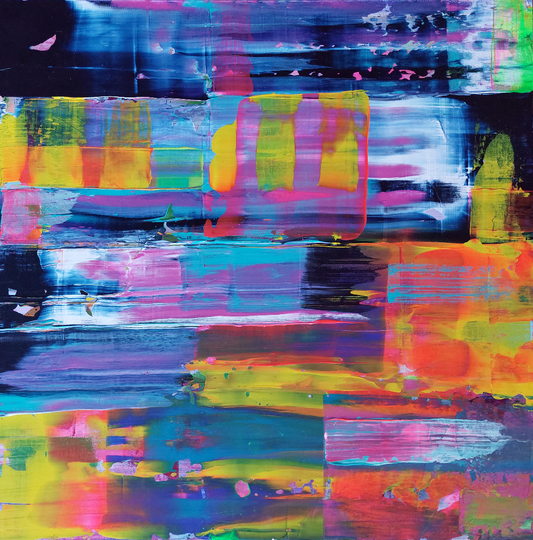
The Seasons, 1957

© Lee Krasner / Licensed by VAGA at Artists Rights Society (ARS), New York. Image courtesy of the Whitney Museum of American Art.
Marriage to Jackson Pollock, love, support, and erasure
When Krasner and Pollock met, they both exhibited their work. They married in 1945. In interviews, Krasner acknowledged that Pollock “always treated me as an artist … he always acknowledged … what I was doing.”
Yet even that personal respect could not shield her work from being subsumed under Pollock’s overwhelmingly dominant legacy. In public and critical discourse, Krasner was too often reduced to “Mrs. Pollock,” an accessory to a “genius male artist,” rather than recognized on her own terms.
Her work was dismissed or misunderstood by critics who were comfortable with a male-centred narrative of artistic heroism. Some refused to engage with her as an individual artist, instead continuing to tether her to her husband’s reputation.
This gendered erasure extended beyond her marriage: when male peers organised to protest the institutional neglect of avant-garde art, Krasner answered a call to sign, yet was ignored, the invitation redirected to her husband instead. She was excluded from group photographs and historical record-making moments, even though she was active and present.
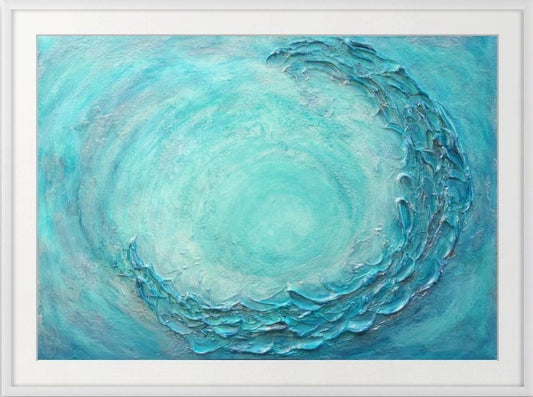
Polar Stampede, 1960

© Lee Krasner / ARS, New York. Image courtesy of the Solomon R. Guggenheim Museum.
Her art, resilience, reinvention, refusal to conform
Despite systemic neglect and personal hardship, Krasner continued to create and evolve. Her style changed radically over the decades: from early figurative work to her “Little Images”, small, mosaic-like compositions and later to bold, large-scale abstractions, textured paintings, and dynamic collages.
She refused to conform to what critics of her time expected. She rejected being “feminine” in a decorative or subdued sense. Instead she embraced intensity, experimentation, and reinvention. As one critic noted during a retrospective: few “less feminine woman artists” of her generation could match the power and toughness of her work.
After Pollock’s death, when many expected her output to diminish, she instead established herself even more firmly. She occupied the larger studio space, freed of the need to be “Mrs. Pollock,” and produced some of her most powerful works.
Recent reappraisal and overdue recognition
In recent decades, institutions have begun to correct the historical oversight. Exhibitions such as the retrospective at Guggenheim Bilbao (2020) have traced her fifty-year artistic journey: from early drawings and naturalistic works, through collages and abstractions, to monumental canvases of the 1960s.
Critics and scholars now highlight how gender bias shaped her erasure: her ambition and originality clashed with an art world that valued male “genius,” spontaneity, and myth-making. Her resilience and vision make her one of the most important—and most powerful voices to emerge from Abstract Expressionism.
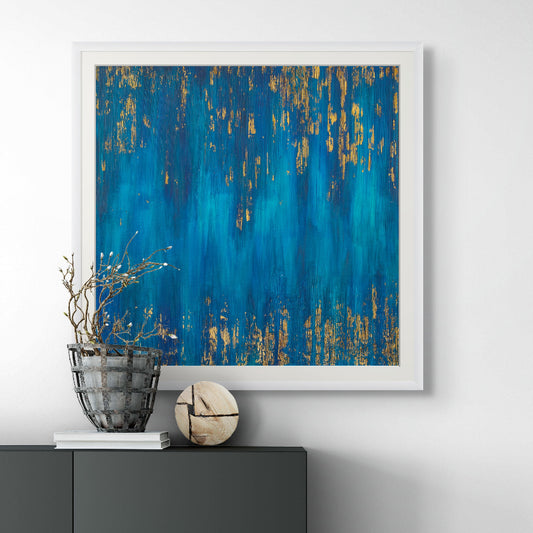
Shattered Colour, 1947

Why her story matters
Lee Krasner’s life and work expose how patriarchal structures do more than just marginalise individuals. They shape what becomes history. By rediscovering her contribution, we not only restore a pioneering artist to her rightful place but also challenge the legacy of exclusion and bias that defined generations of art. Her commitment to evolving, resisting pigeonholes, and continuing to create under pressure remains a model of artistic integrity and courage.
Her story is a call to remember that art history is not fixed. What was once hidden by prejudice can be reclaimed and re-evaluated and by doing so, the canon becomes more inclusive, truthful, and richer.
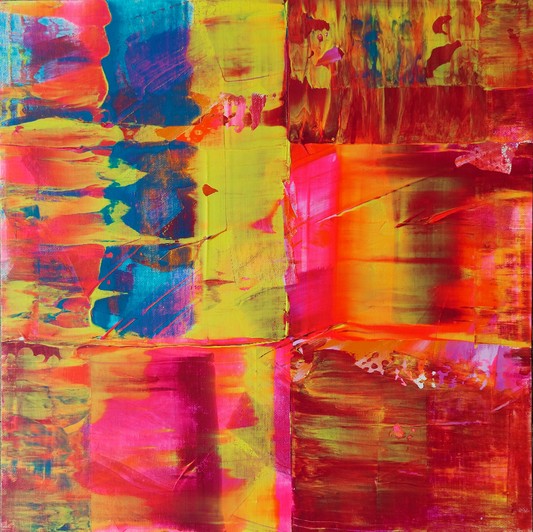
Sirena (Siren), 1966
 © Lee Krasner / ARS, New York. Image courtesy of the Solomon R. Guggenheim Museum.
References/Sources:
“Krasner, Lee (1908–1984)” Routledge Encyclopedia of Modernism
La huella de Lee Krasner: determinación, posguerra y energía plástica » Investigaciones Feministas (2017, María Antonia Blanco Arroyo)
“Women and the Emergence of American Abstraction 1930–1950” essay Boldness Knew No Limits, Whitney Museum
“Misogyny and making art in the shadow of Jackson Pollock how Lee Krasner was shut out of art history” The Art Newspaper
“Lee Krasner: Living Colour” critical review in The Arts Desk
“Lee Krasner” entry on TheArtStory.org
“Lee Krasner” entry on Jewish Women’s Archive
“Lee Krasner on How to Be an Artist” Artsy Editorial